Wednesday 2 SEptember 2026 |
10:00 h |
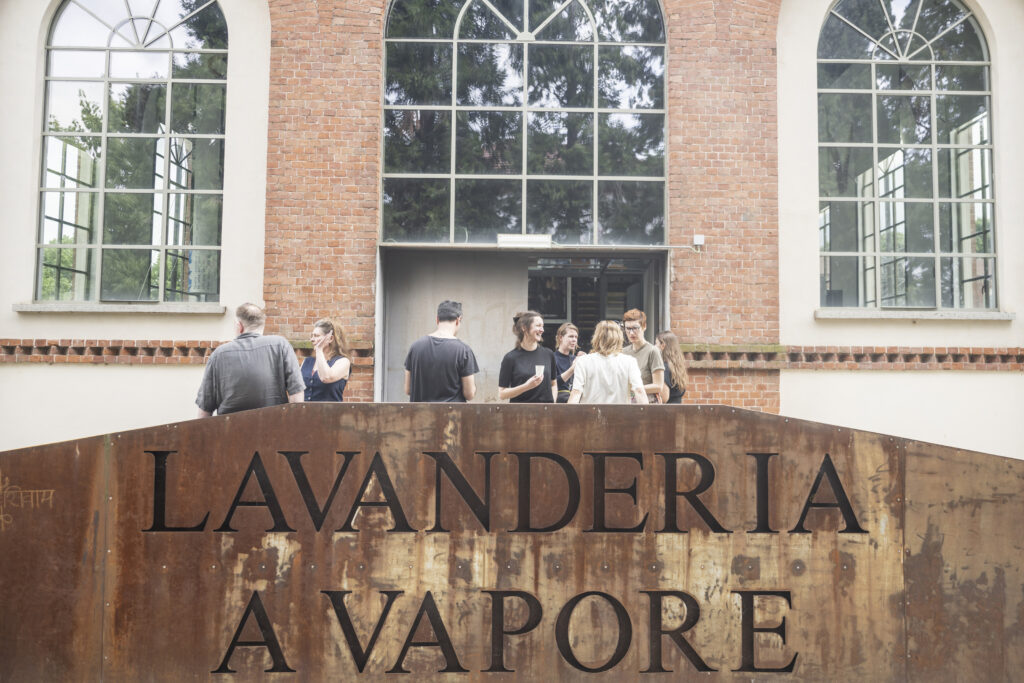
Collegno - Lavanderia a Vapore
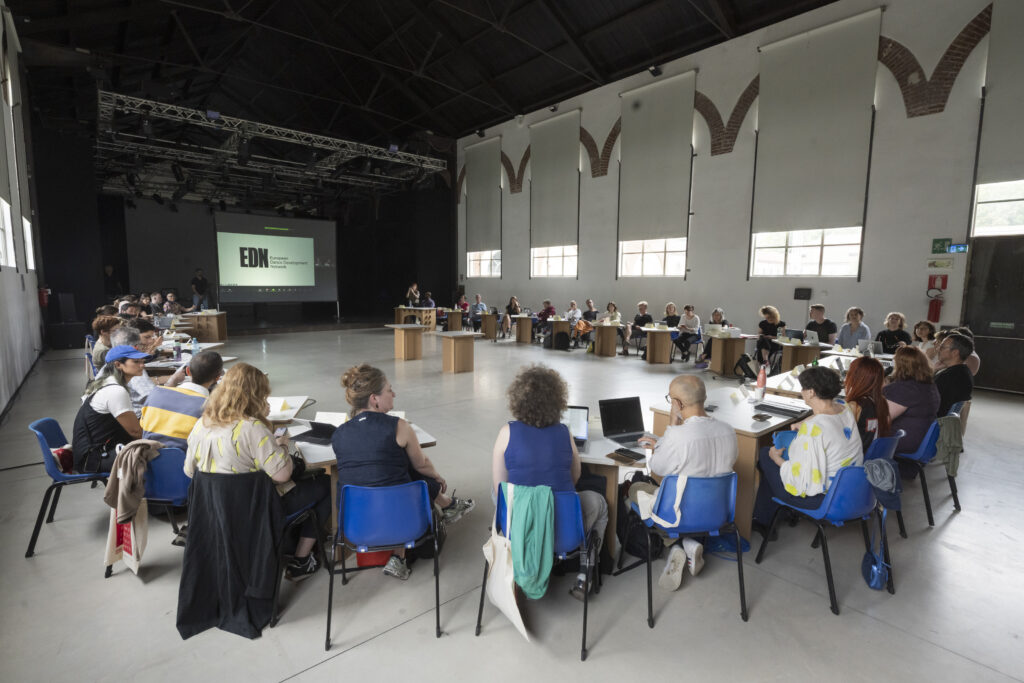
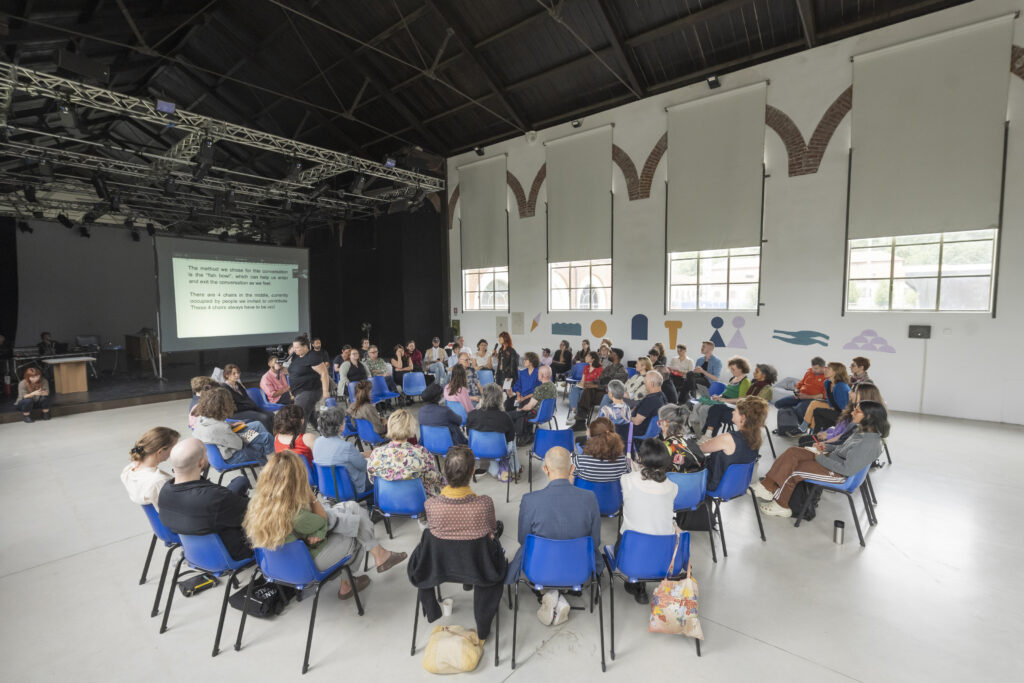
ECOSISTEMI DELLA CREAZIONE (CREATIVE ECOSYSTEMS)
with Angela Fumarola (Fondazione Armunia), Siri Leonardsen (Pahn), Lisa Reinheimer (Dansateliers) – Host Chiara Organtini (Lavanderia a Vapore)
This panel explores the role of research spaces and artist residencies in the development of contemporary aesthetics. Drawing on the mentorship initiative for the Open Studios and the network of Italian residencies involved in the 2026 edition, the conversation brings together national initiatives and international partners committed to artistic development, mobility and the nurturing of creative processes. The theme also links directly to the international residencies established through the NID Platform, which in recent years have fostered exchanges, collaborations and research opportunities for Italian artists abroad and foreign artists in Italy. From this perspective, residencies are recognised as vital infrastructures for supporting artistic risk, dedicated creative time, the evolution of artistic languages and the building of lasting professional relationships.
Thursday 3 september 2026 |
ore 11:00 |
Collegno - Lavanderia a Vapore
#DANCE MATTERS
with Eduardo Bonito (Dance Festivals Network Europe), Jazmin Chiodi (Dublin Dance Festival), Eva Broberg (EDN european dance development network), Elisabetta Bisaro (Aerowaves-dance across europe) - – Host Chiara Organtini (Lavanderia a Vapore)
The title references the ‘Dance Matters’ campaign, sparked by a coalition of some of the sector’s leading European institutions and networks, including the EDN – European Dance Development Network and the Dance Festivals Network Europe. The panel brings these key figures into dialogue with national and international organisations to reflect on the role of dance as a field for connection, knowledge, citizenship and transformation. The panel is thus dedicated to the transformative power of dance and its relevance to international cultural policies. The conversation stems from the need to increase the visibility of dance as a medium capable of driving social and cultural transformation, and fundamental paradigm shifts, strengthening its presence within decision-making processes and public agendas.
Simultaneous interpretation in both Italian and English is available for all panels.
Friday 4 september 2026 |
10:00 h |
Torino - OGR
RIGENERAZIONE UMANA (HUMAN REGENERATION)
with Giulia Poltronieri (Dansa Metropolitana- Barcellona), Massimo Carosi (Associazione culturale Danza Urbana), Laura Ginestar (SPRING Performing Arts Festival - Utrecht ), Chloe LeNotre (L'Auditorium Seynod – Annecy), Luigi Ratclif (BallaTorino) - Host Chiara Organtini (Lavanderia a Vapore)
The panel is inspired by the concept of urban regeneration that shapes the identity of the NID Platform 2026, broadening the focus to the processes of transformation that dance can generate within places, communities and modes of inhabiting space. The conversation connects placemaking practices, urban dance and collaborative frameworks, exploring how the performing arts can help redefine patterns, shared imaginaries and relationships within public space. The discussion aligns with the Balla Torino project, the outlook emerging from Turin’s bid for European Capital of Culture 2033, and European networks dedicated to artistic creation in public space. Within this framework, regeneration is conceived not merely as the physical transformation of sites, but as a cultural and human process capable of generating new forms of presence, participation and connection.
Simultaneous interpretation in both Italian and English is available for all panels.